




Fairmount vs Rittenhouse Square: Where Should You Actually Live?
Quick Answer: Fairmount and Rittenhouse Square are both walkable, historic, Center City-adjacent neighborhoods, but they're not interchangeable. Rittenhouse is Philadelphia's densest, most expensive address — you're paying for the park, the boutiques, and being able to walk to almost anything in ten minutes. Fairmount gets you a lot of that same walkable, brick-lined charm at a noticeably calmer pace and a friendlier price point, with the Art Museum, Eastern State Penitentiary, and Fairmount Park right at your doorstep instead of a short walk or Uber away.
I get asked to compare these two more than almost any other pairing in the city, so let's actually dig into it instead of just saying "it depends."
What's the real difference between Fairmount and Rittenhouse Square?
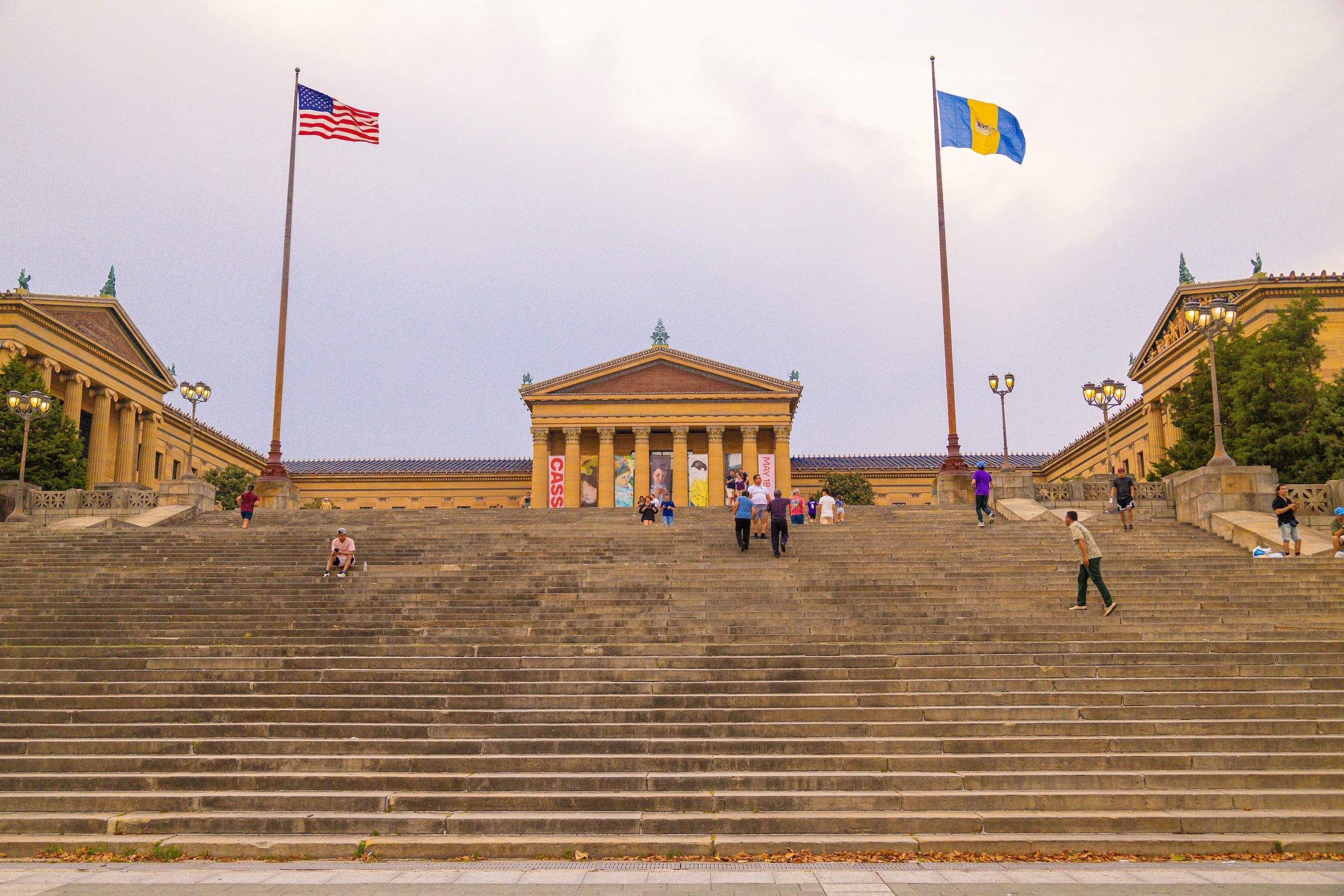
The short version: Rittenhouse is the premium, high-density version of Center City living, and Fairmount is the lower-key, more residential cousin one park and a few blocks north. 🏙️ Rittenhouse Square itself — the park — is the literal center of gravity, surrounded by high-rise condo buildings, restaurant rows on 18th and Sansom, and some of the highest price-per-square-foot real estate in the city. Fairmount, by contrast, is built almost entirely around rowhomes and low-rise buildings, with the Philadelphia Museum of Art, the Rocky steps, Eastern State Penitentiary, and Fairmount Park itself as the neighborhood's anchor instead of a shopping district.
I've shown buyers in both neighborhoods in the same week, and the difference in energy is immediate. Rittenhouse feels like you stepped into a slightly more polished, boutique-heavy version of a big city downtown. Fairmount feels like a neighborhood — kids on bikes, people walking dogs toward the park, a genuine "everyone kind of knows everyone" quality on a lot of blocks.
How walkable is each neighborhood, really?
Both are excellent — this is one area where they're genuinely similar. 👉 You can walk to a full grocery store, multiple coffee shops, restaurants, and a pharmacy from almost anywhere in either neighborhood, and both put you within a 15–20 minute walk of Center City's core job centers. The difference is what you're walking to. In Rittenhouse, you're walking to restaurants, retail, and the park bench scene. In Fairmount, you're walking to the Art Museum steps, the river trails, Eastern State, and a smaller but well-loved strip of restaurants and bars along Fairmount Avenue.
What will my money actually buy in each neighborhood?
Rittenhouse commands a real premium over Fairmount, full stop — you're paying for the address and the density of amenities within a block or two. Citywide, Philadelphia's median sold price was $290,000 in August 2026, up 5.5% year-over-year, according to Coldwell Banker Hearthside's Greater Philadelphia market update — and neither of these two neighborhoods trades anywhere near that citywide median, since both sit well above it. Rittenhouse sits at the very top of that range; Fairmount sits meaningfully below Rittenhouse while still being a premium, in-demand neighborhood in its own right. If your budget is the deciding factor and you still want that walkable, historic Philly feel, Fairmount is almost always where I steer buyers who love the idea of Rittenhouse but wince at the price tag.
What's the actual street feel like — quiet block or buzzing corner?
This is the question I wish more buyers asked upfront, because it matters more than people expect. Rittenhouse can be genuinely loud, especially closer to the square itself or on the restaurant corridors — sirens, foot traffic, late-night noise depending on the block. Fairmount is quieter almost everywhere outside of the Fairmount Avenue commercial strip. I've had clients who thought they wanted Rittenhouse's energy move into a Fairmount rowhome instead and tell me within a month that they didn't realize how much they'd value being able to actually sleep with the windows open.
Which one wins on green space and outdoor time?
Fairmount, and it's not close. 💰 Rittenhouse Square park is a beautiful pocket park, but it's a few acres in the middle of a dense urban grid. Fairmount sits directly against Fairmount Park — one of the largest urban park systems in the country — with river trails, Boathouse Row views, and direct access to miles of running and biking paths. If your lifestyle involves a dog, a bike, or wanting real outdoor space without driving anywhere, Fairmount wins outright.
How do commutes and parking actually compare?
Both neighborhoods put you close to Center City job centers, SEPTA regional rail, and the Market-Frankford and Broad Street lines aren't far either way, so the commute difference for most 9-to-5 jobs downtown is minor — a few extra minutes on foot or a short bus ride at most. 🚗 Parking is where they diverge: Rittenhouse street parking is genuinely difficult and garage parking is expensive, while Fairmount, though still a city neighborhood with real parking competition, is noticeably easier to navigate if you're bringing a car.
Brett's Take
If you want to tell people you live in the most in-demand address in the city and you're willing to pay for it, Rittenhouse delivers — there's nothing wrong with that choice. But for most of the buyers I work with who are comparing these two, Fairmount is the smarter move. You get 90% of the walkability, real architectural character, a genuine neighborhood feel, and direct access to some of the best green space in Philadelphia — for less money and less noise. I've had more than one client tell me a year in that skipping Rittenhouse for Fairmount was the best real estate decision they made, and I don't hear the reverse nearly as often.
Final Verdict
Choose Rittenhouse Square if the park-adjacent address, restaurant density, and being in the absolute center of everything matter more to you than price or quiet. Choose Fairmount if you want that same historic, walkable Philadelphia feel with a calmer pace, real green space at your doorstep, and meaningfully more home for your money.
Ready to See What Fits Your Budget?
Numbers on a page only tell you so much — the right call usually comes down to walking a few blocks in each neighborhood and seeing how it feels. I still read every offer and every line of a contract the way I did as a lawyer before I got into real estate, so whichever way you lean, you'll have someone in your corner who won't let the details slide. Start browsing homes with my VIP Home Search, or get the full picture of what buying in Philadelphia actually looks like on my Buyers Hub. Want a closer look at either neighborhood specifically? Check the Philadelphia Neighborhood Maps or reach out directly — let's slow down and get this right.
FAQ
Is Fairmount considered part of Center City? Fairmount is technically just north of Center City proper, but it functions like an extension of it — walkable to Center City's core in 15–20 minutes with its own distinct, park-adjacent identity.
Is Rittenhouse Square a good investment? Rittenhouse real estate tends to hold value well given its consistent demand and central location, though buyers pay a real premium up front for that stability.
Can I still walk to Center City from Fairmount? Yes — most of Fairmount is within a 15–20 minute walk of Center City's core, and it's an easy bus or short drive if you'd rather not walk.
Which neighborhood has better parking? Fairmount, generally. Rittenhouse street parking is competitive and garage parking runs expensive given the density of the neighborhood.
Is Fairmount safe compared to Rittenhouse? Both are well-established, heavily walked residential neighborhoods; as with any city neighborhood, I always recommend buyers walk specific blocks at different times of day before deciding.
Brett Rosenthal, Realtor — Revolve Philly Group at Compass. Equal Housing Opportunity.
Check out this article next